

Areas of focus
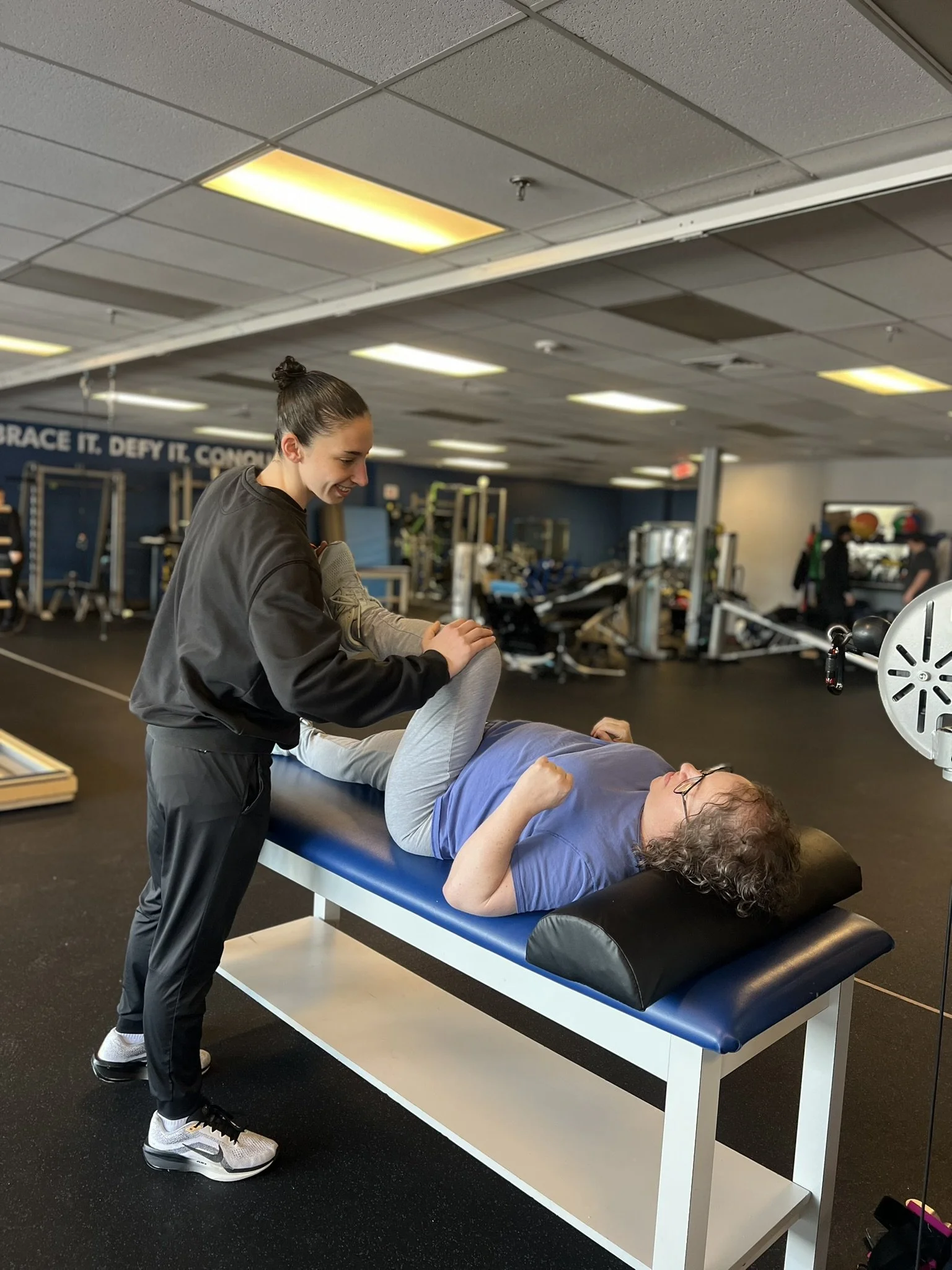
Neuromuscular Re-education
A therapeutic approach that focuses on improving communication between the nervous system and muscles to enhance movement patterns and coordination. The principle of neuroplasticity states that new neurons can be formed with exercise that ultimately increases normal bodily function and movement. A dysfunctional nervous system can result from a spinal cord injury or an array of neurological disorders, that both cause paralysis of the body. We utilize a many different modalities of exercise to create new neurological connections. It requires thousands of repetitions to create new neurological pathways.
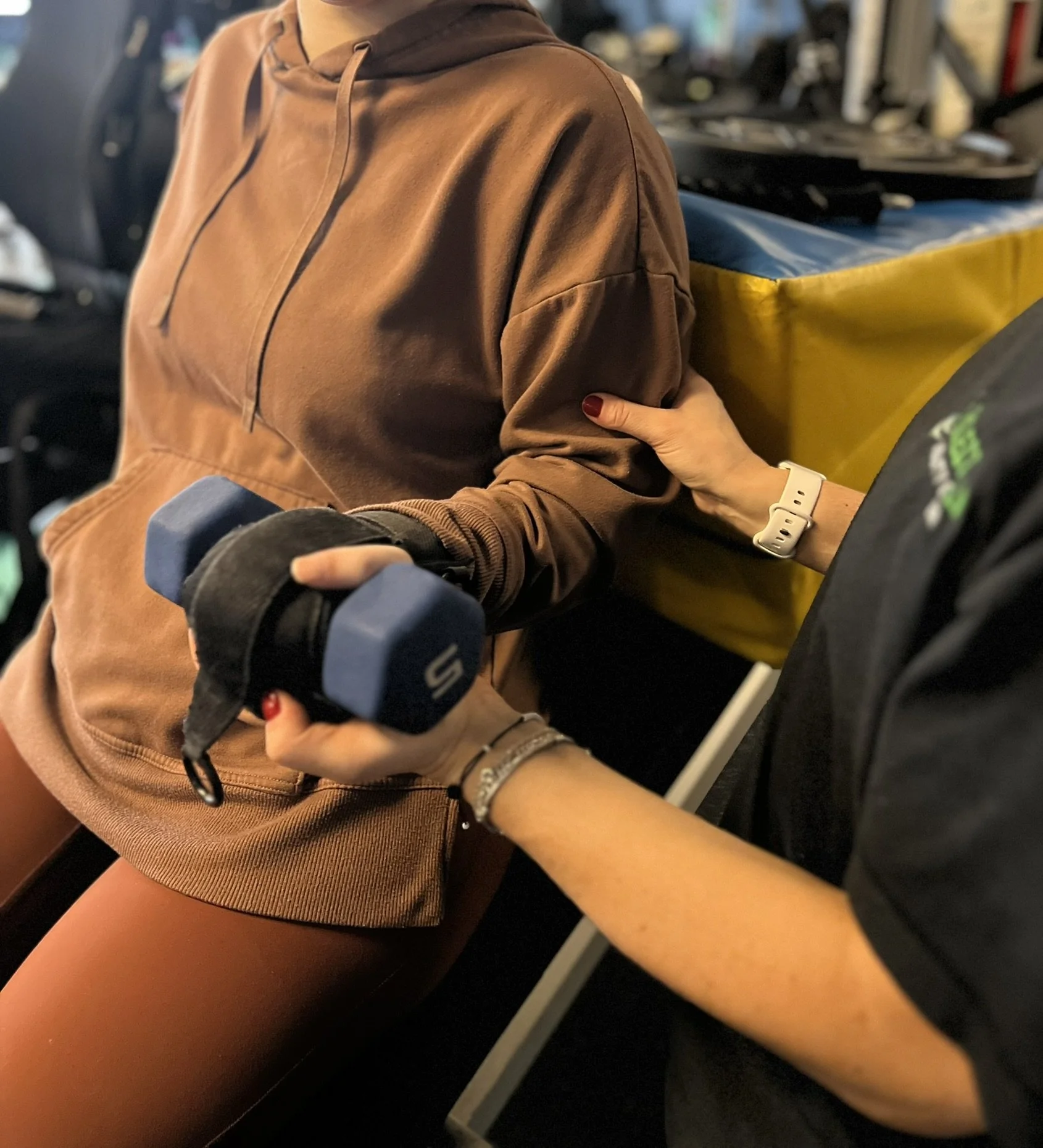
The ability to generate maximal muscular force for an extended period is termed strength. Training strength in clients with paralysis requires an expert eye for proper body position, and the correct exercise selection for the goal at hand. We utilize belts, boxes, straps, and other supportive devices to put clients in the proper body position. Performing the exercise safely is the number one priority. Project Walk’s exercise selection is more progressive than traditional physical therapy. Our objective is to actively challenge paralyzed limbs through exercise to create larger, more functional muscles in the long term.
Strength Training
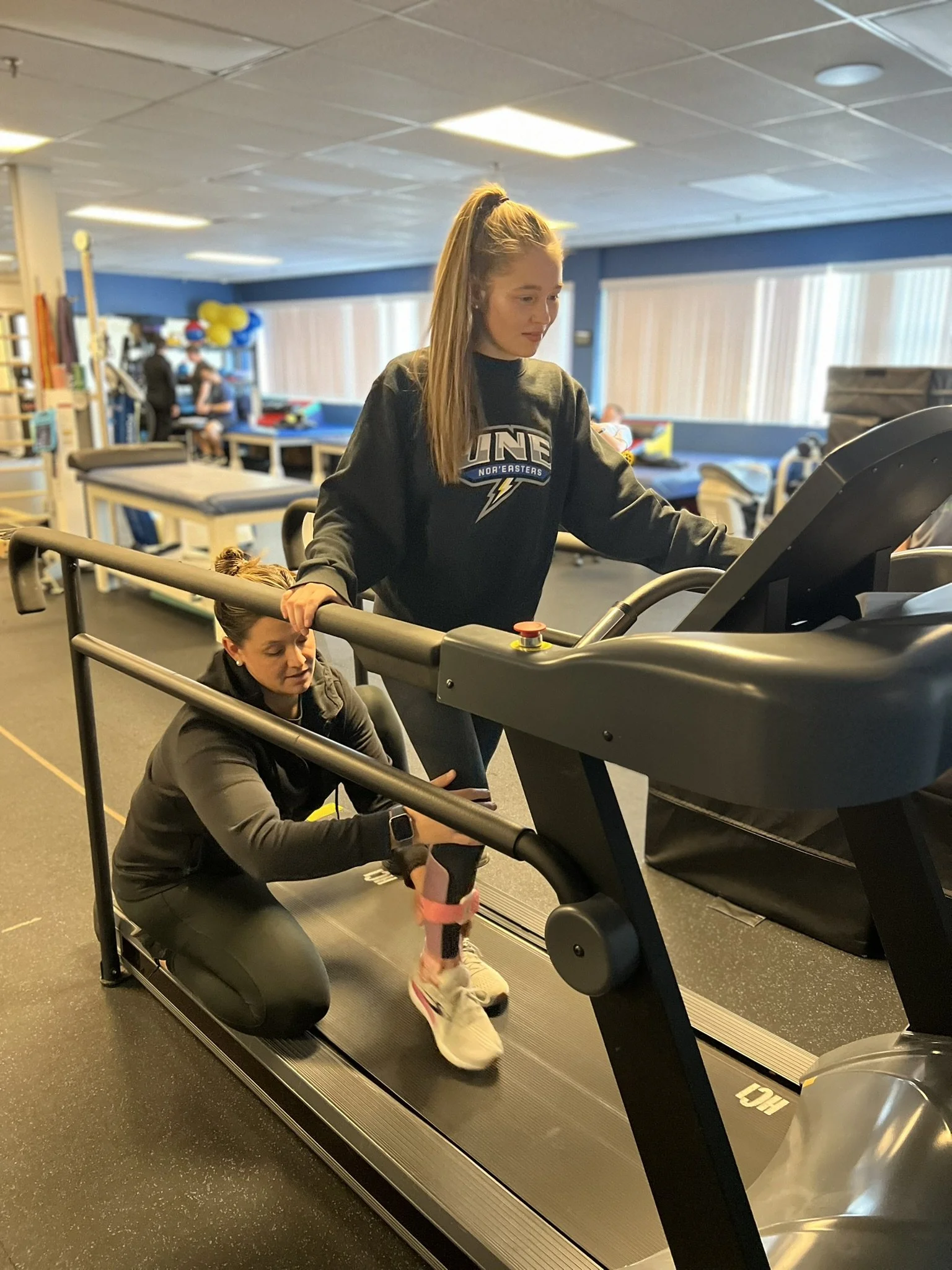
Gait training consists of exercises and techniques that aim to improve a person’s walking patterns. Gait training is not always upright walking with assistive devices, it can involve a multitude of other modalities. Different gait modalities can involve crawling on knees, coordinated stepping, standing endurance, functional electrical stimulation on the lower body, and gait training machines. Many clients aim to regain the ability to walk again after their injury. Training gait with correct motor patterns helps clients regain independence and locomotion they have lost since their injury.
Gait Training
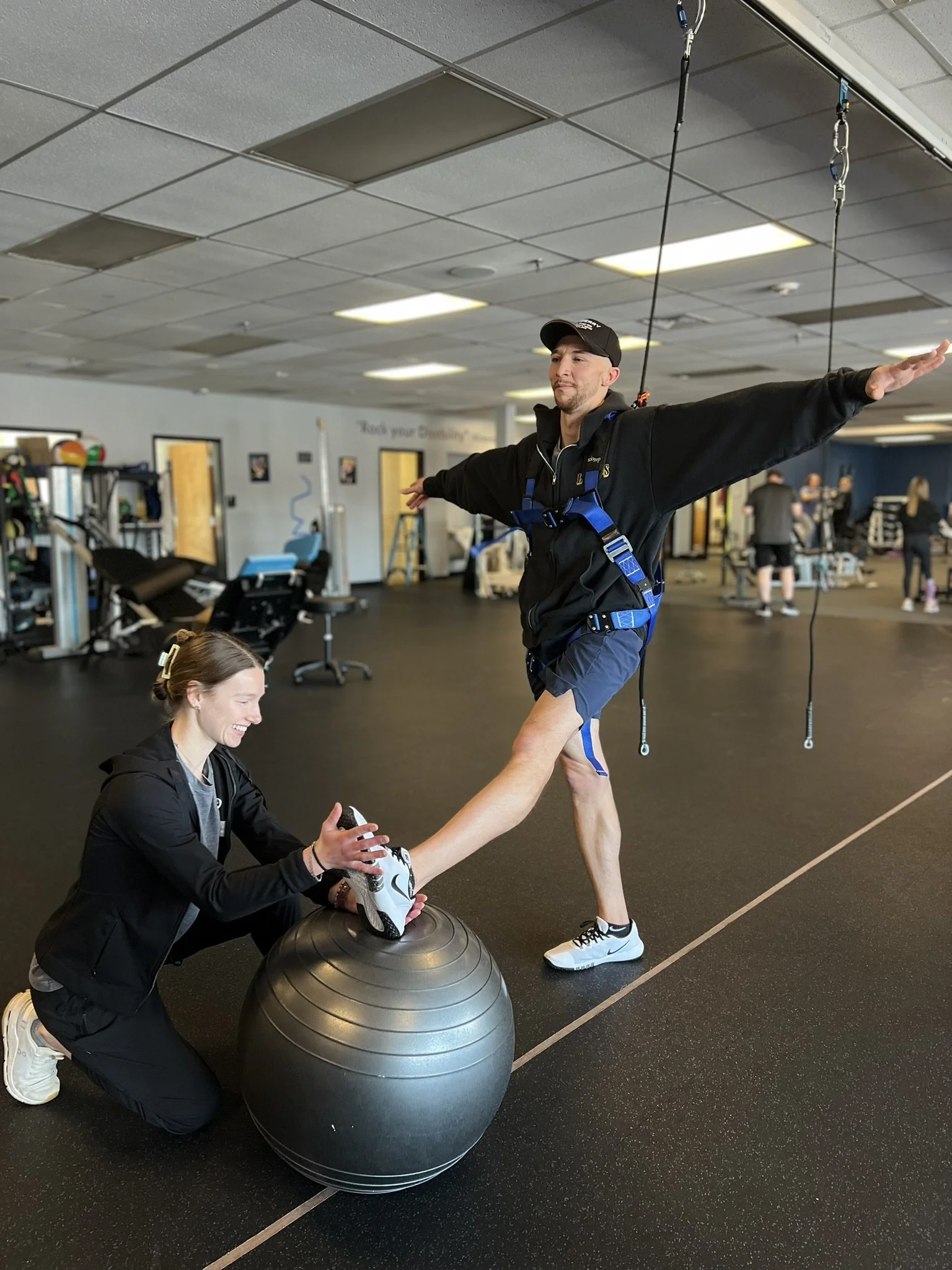
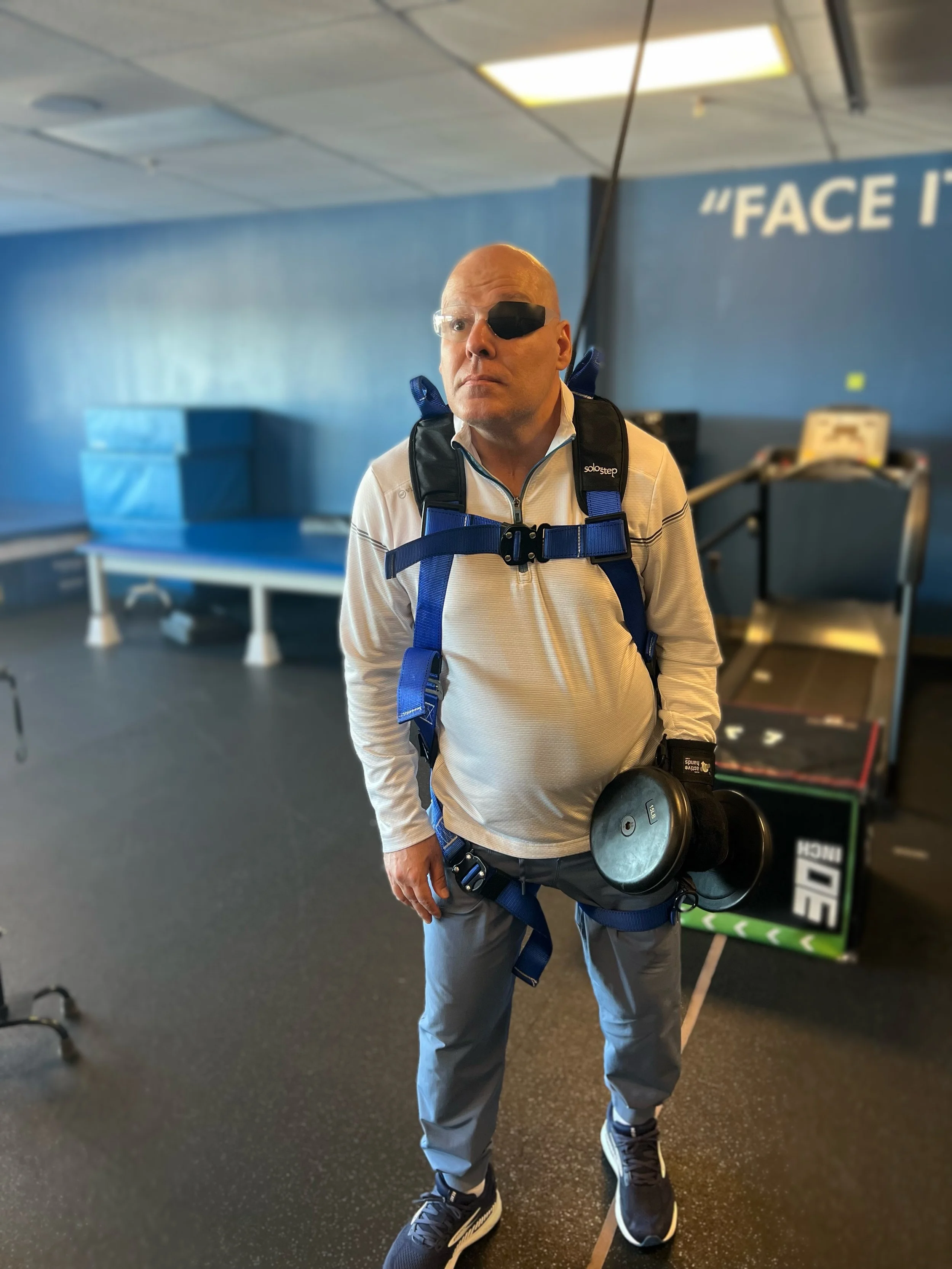
Balance is the ability to maintain equilibrium and control of one’s body position. Maintaining balance requires the coordination of sensory information from the eyes, inner ear and proprioceptors. Balance is especially affected following a stroke or brain injury. Improving balance is crucial for stability, preventing falls and enhancing overall motor skills for quality of life. We utilize an advanced Solo Step harness system to challenge balance in a safe environment. Selecting the proper balance exercise for a client’s ability is critical for success. Finding the proper and safe progression for a balance exercise is important to see continued improvement in balance.
Balance Training
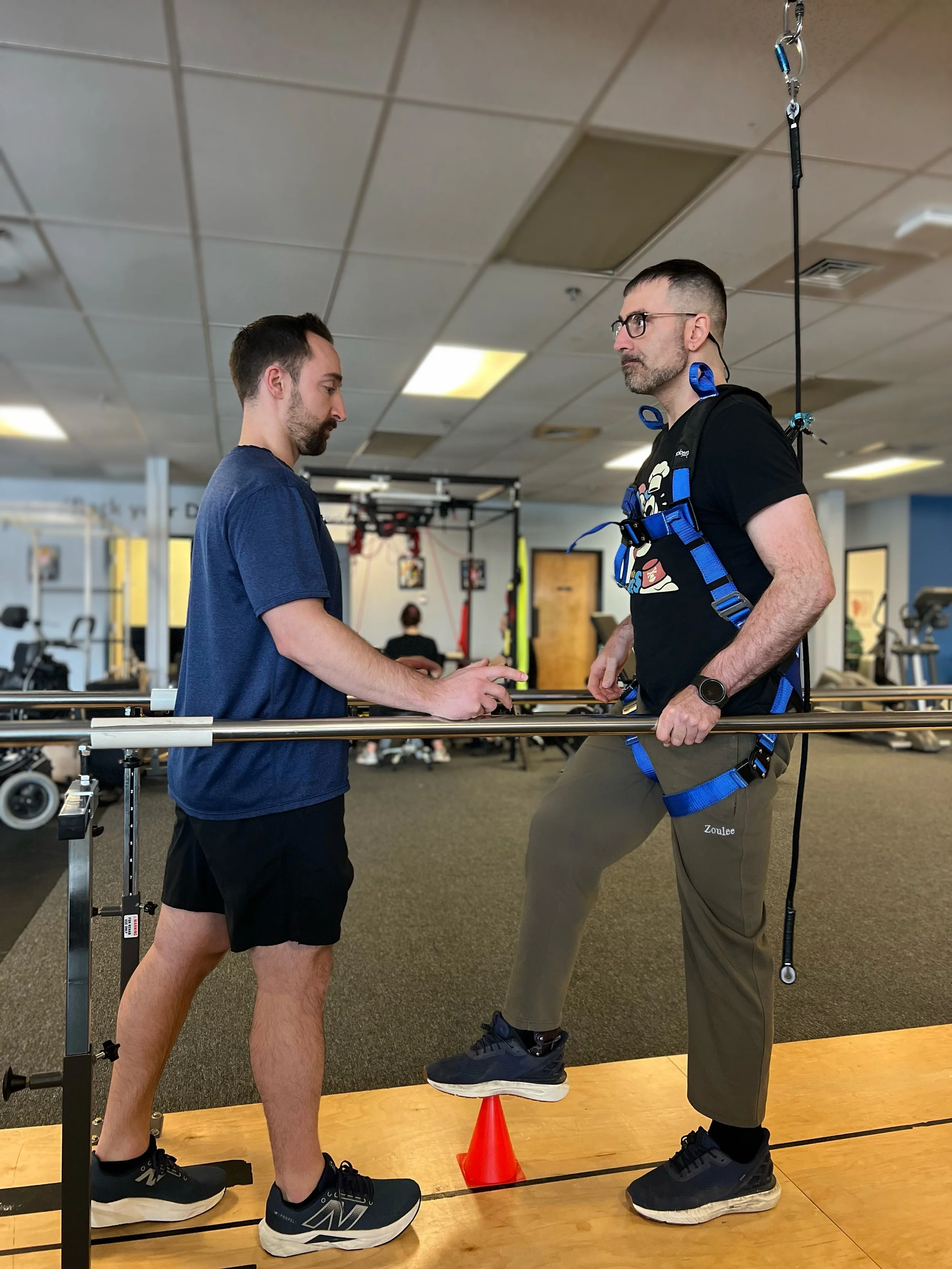
Coordination is the ability to use different parts of the body smoothly and efficiently to perform tasks. It involves the integration of sensory information such as vision and proprioception, with motor skills to execute precise movements. Coordination can pertain to many different body parts of the client, from the head to the fingers. It is the therapist’s job to properly cue and explain the exercise that needs to be done in order perform the exercise properly. Training coordination takes patience from the therapist and the knowledge of proper exercise progression to see markable improvements with the client’s coordination.
Coordination Training

Moving muscles and joints into lengthened positions at varying ranges will improve the ability of the client to effectively move their body. Stretching clients who are incredibly stiff from neuromuscular tone requires a strong therapist. Family members at home may not have the strength or energy to stretch their loved one on a regular basis, that is needed to prevent muscular contractures and other conditions of disuse caused from immobility. Static stretching is utilized at the beginning of training sessions regularly, to improve the performance of gait training and strength exercises. Stretching at the beginning of a session helps therapists’ breakdown neuromuscular tone and sets the client up for success for the rest of their session.
Stretching
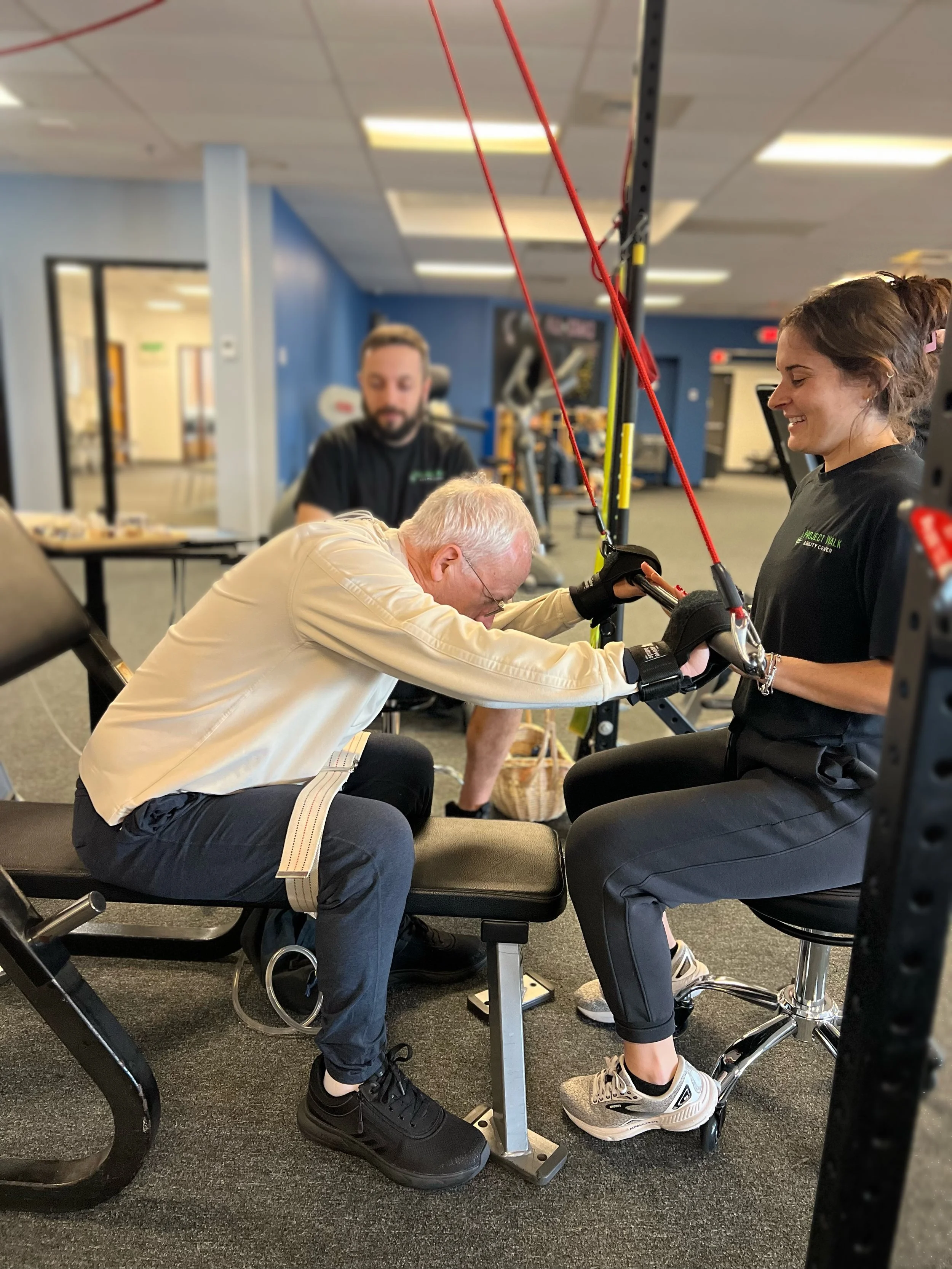
The extent of movement that a specific joint can achieve in various directions refers to its range of motion. Following a spinal cord injury, the range of motion of the lower body and upper body can be severely limited due to overactive muscular tone. Stretching through large ranges of motion and placing clients into new exercises that challenge joint flexibility is important to prevent further decreases in range of motion and increase quality of movement.
Range of Motion
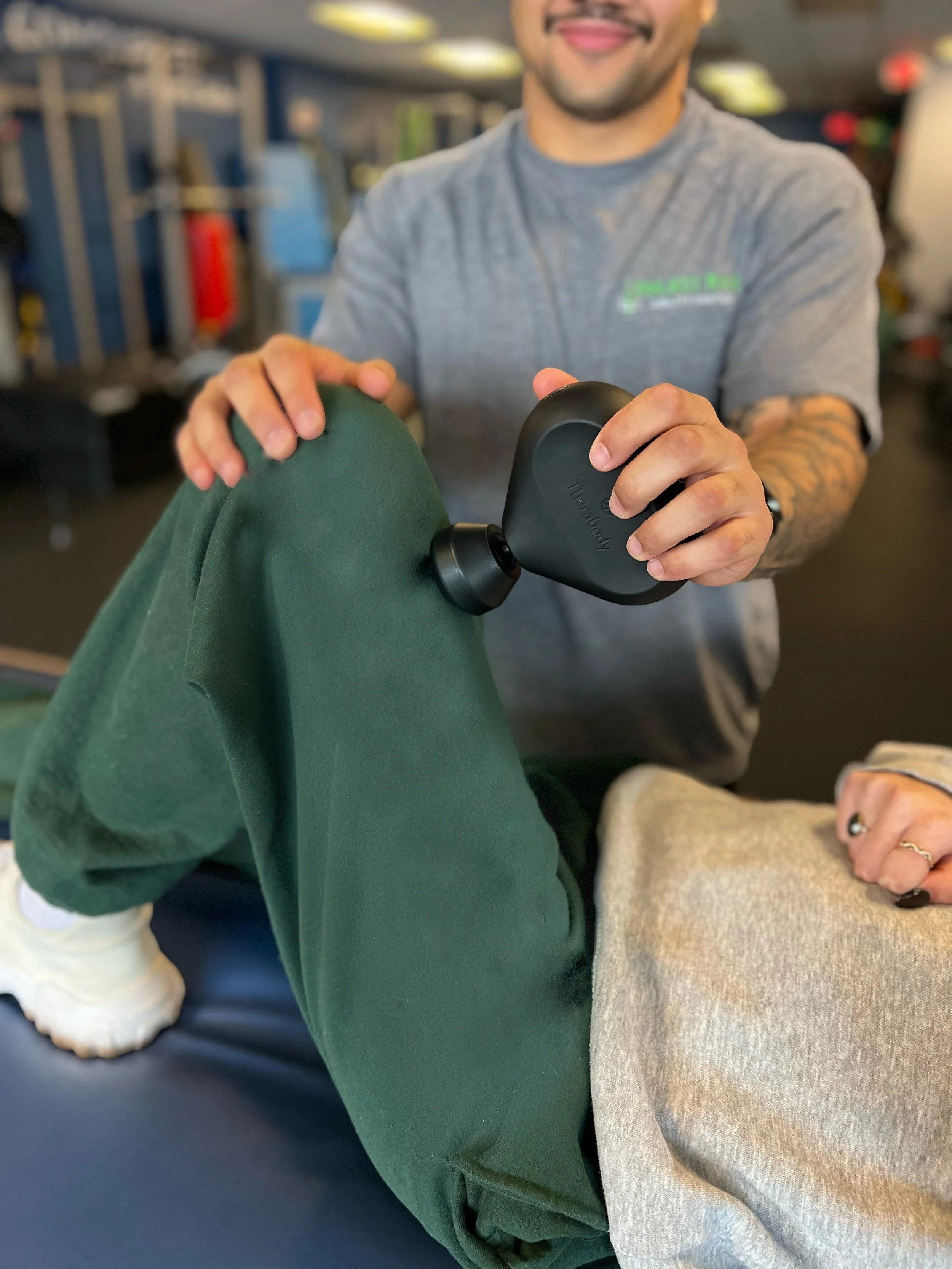
Clients can experience a large amount of pain post-spinal cord injury. This pain is largely associated with the nerves acting in a dysfunctional manner. Exercises can help reduce pain and help the client take their mind off the chronic pain they experience every day. Laughter and social connections in sessions release serotonin in the brain which can reduce pain and acts as the ‘feel good’ hormone. Mental well-being and the routine of getting out of the house to a training session promote pain management and reduce the prevalence of anxiety and depression.
Pain Management

Eating, bathing, washing, and general self-care are activities that able bodied people take for granted every day. People who have spinal cord injuries or other physically limiting disabilities, activities of daily living are strenuous tasks to perform and may require help from a primary care assistant or an at home nurse. By providing clients with more strength, endurance, and range of motion, we can improve quality of life by making activities of daily living easier to perform. More self-independence can be achieved when improving all qualities of fitness through regular exercise.
Activities of Daily Living
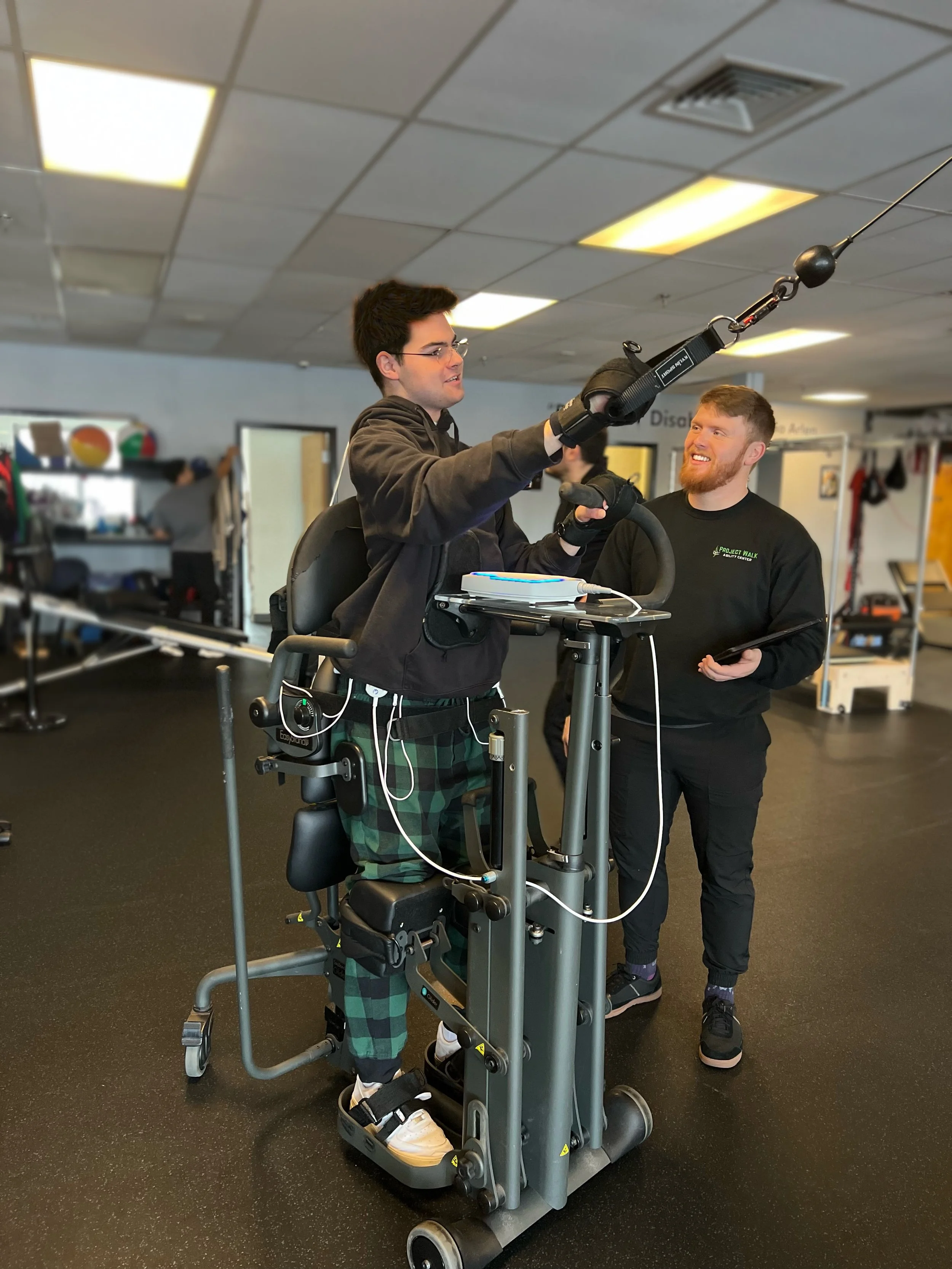
Wolff’s law is a principle that states healthy bone will adapt to the loads and stresses placed upon them. Long term disability forces people to be in a seated position for most of the day. Over time bone mineral density can decrease resulting in osteopenia and further into osteoporosis. Bones that are more fragile result in a significantly greater risk of breaking bones if the person were to fall. We utilize standing frames, gait trainers, and creative ways to stand to elicit a positive response from bone to increase bone mineral density. Increasing blood flow to the periphery is another benefit of weight bearing exercises. Increasing blood flow to the periphery helps transport waste products, improve edema and swelling, and improve overall function of the lower body.
Weight Bearing
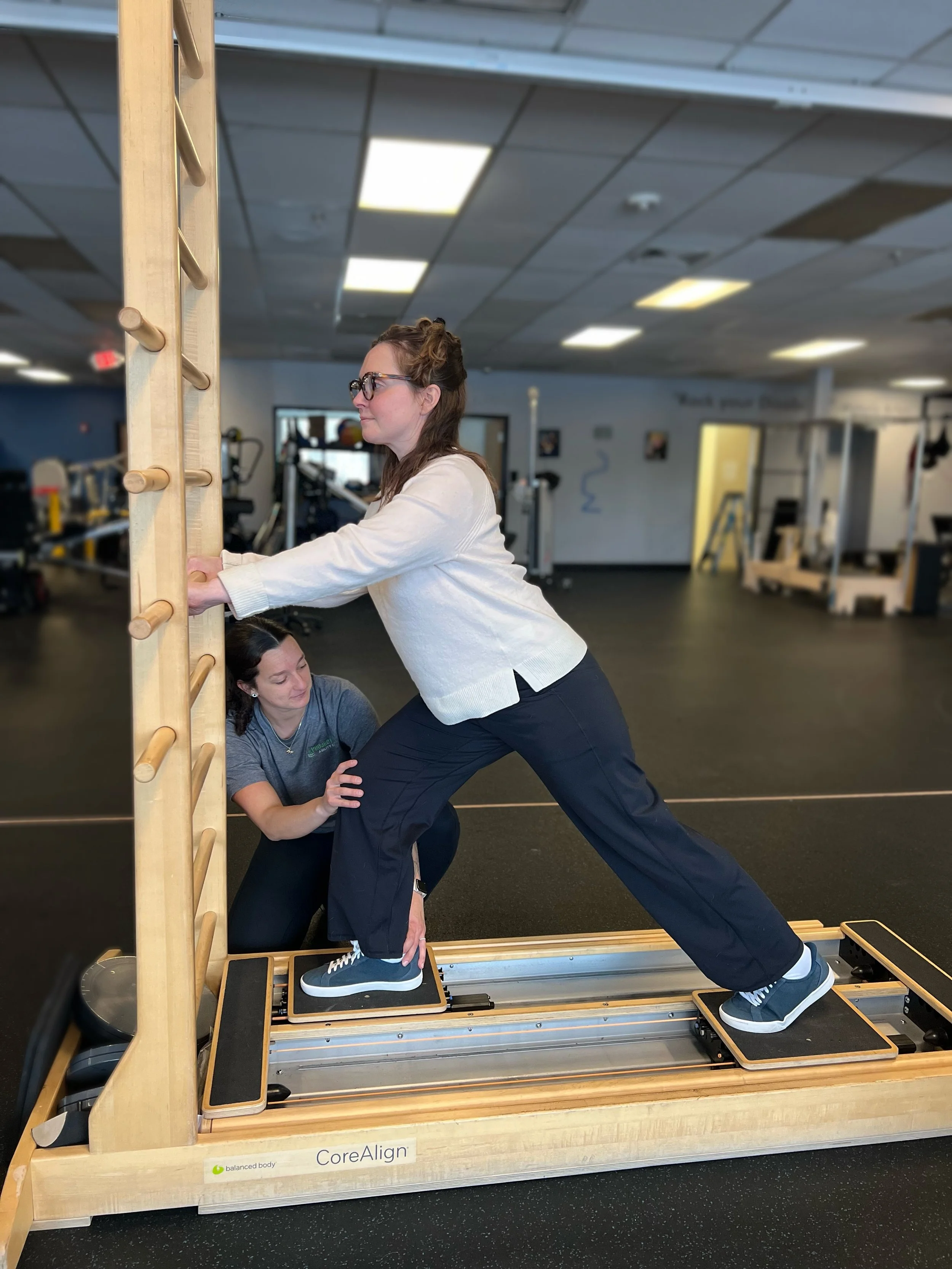
Flexibility is the farthest range of motion a specific joint can be put through. Improving flexibility can be improved through either dynamic or active action. Stretching is important for people who have a spinal cord injury to prevent muscle contractures and joint fusion. Stretching can also help reduce the chance of heterotopic ossification which is the abnormal laying down of bone on joints. Heterotopic ossification can fuse joints and further limit range of motion, increasing a persons disability.
Flexibility
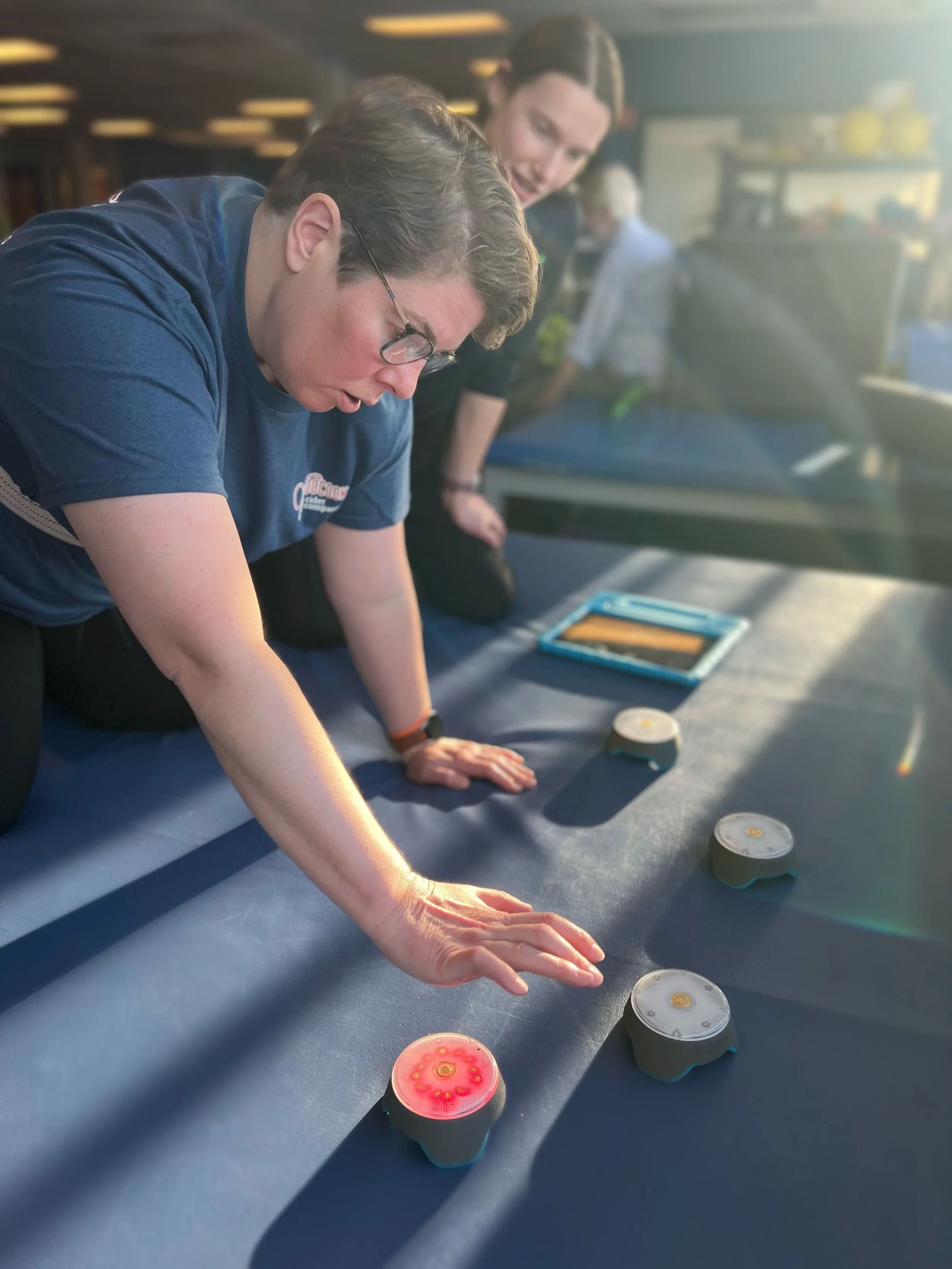
Stroke and traumatic brain injuries can significantly limit a person’s ability to synchronize visual information with hand movements to perform tasks accurately. It is important for therapist to provide the correct constraints in exercise to allow the client to be successful in hand eye coordination exercises. There are certain brain injury clients who can not see color, have double vision, or lack depth perception. It is important to have a detailed knowledge of brain physiology and exercise selection to provide the best exercise session.
Hand-Eye Coordination
Proprioception Training
The sense that allows you to perceive the position, movement, and spatial orientation of your body in space is proprioception. This awareness is possible through sensory receptors called proprioceptors, which are in muscles, tendons, and joints. Proprioception plays a vital role in coordination balance, and overall motor control. Proprioception can be improved through balance exercises that challenge the stability and spatial ability of the client.
GOT A QUESTION
Frequently
Asked Questions
-
There are many things that separate Project Walk from other programs but the most important is that our clients regain function. Other programs that focus on how physically exhausted you are during your workout do not understand the goal of activity-based recovery is not fitness. The goal is to regain function below level of injury and as a result, clients increase their health.
-
What are the benefits of Project Walk?
Clients typically see the following benefits from Project Walk’s program:
Increased muscle mass
Increased central nervous system activity
Increased health and well-being
Increased sensation including hot and cold, pain, and touch
Increased function below level of injury
Increased occupational skills
Decreased drug dependence
Decreased pain
-
Nothing in life is guaranteed, but if you do nothing to promote recovery, you are almost guaranteed a life without it. Taking care of yourself and taking control of your future is what makes life worth living. At Project Walk we cannot promise that you will walk again. We do promise the best facility, a positive environment for healing, the best and most highly trained and skilled staff in the world in the field of activity-based recovery and a long-term, realistic plan that fits your needs as an individual.
-
There is no set standard on how long it will take to regain function. Every person has their own goals and desired outcomes and works towards their needs. Each person and the damage they have sustained are different; therefore, you cannot compare yourself to others because each person regains function differently.
Remember, that at Project Walk we DO NOT heal your injury. We retrain your body to do things it once did. Similar to an able-bodied person, if you stop your recovery program then you will regress. You do not have to attend Project Walk for the rest of your life but you will need to continue to exercise and maintain the progess you make.
-
At Project Walk we make the strongest effort to create programs that are specific for the individual. These programs are constantly changing as the individual progresses through their recovery. Please take a moment to review each program and what we have to offer.
-
All of our staff are highly skilled in working with different injuries and diagnoses. Although we understand that some clients have preferences on who they work with, it is encouraged that you work with multiple trainers as each brings their own perspective to training.
-
Because we are an out of pocket expenses, frequency and duration of appointments are based off of your affordability. Our local clients come in from anywhere of 1 day a week for 1 hour and others come in 3 days a week for 3 hours. Our visiting clients tend to maximize their short stay by getting 3 or 4 hours of training per day. If you have questions or want recommendations please contact our facility.